










Latest News
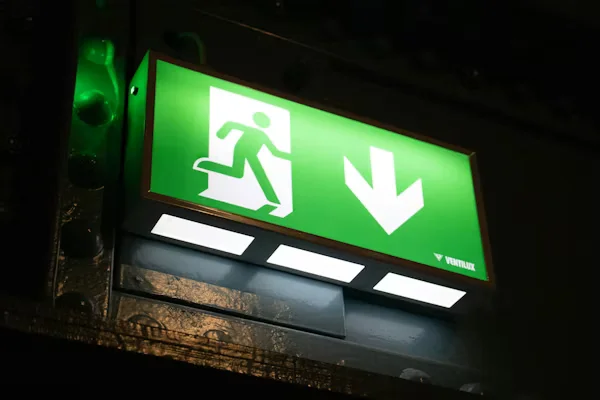
Fire safety is something no business can afford to overlook. From small offices to large industrial sites, the risk of fire is always present, and when prevention measures fail, the equipment designed to control or contain it becomes the last line of defence. That is why fire equipment inspection is not just a recommended task. It is a legal and practical responsibility that protects lives, property, and your business reputation.
At Swift Fire & Safety, we work with organisations across the UK to ensure their fire safety systems are properly maintained, fully compliant, and ready to perform when needed. Regular inspections give you confidence that your workplace is protected and that your equipment will function exactly as intended in an emergency.
In this guide, we will explore what fire equipment inspection involves, why it matters, what the law expects from businesses, and how professional support can make all the difference.
What Is Fire Equipment Inspection?
Fire equipment inspection refers to the routine checking, testing, and maintenance of all fire safety tools and systems within a building. This includes fire extinguishers, alarms, emergency lighting, fire doors, and suppression systems. The purpose is to confirm everything is in good working condition and meets current safety standards.
A proper inspection is more than a quick glance. It involves:
Checking equipment for damage, corrosion, or tampering
Ensuring devices are correctly located and accessible
Testing alarms and emergency systems
Confirming pressure levels in extinguishers
Verifying signage and visibility
Recording inspection results for compliance purposes
Over time, equipment can degrade, become faulty, or be accidentally moved or blocked. Without regular checks, you may not realise something is wrong until it is too late.
Why Fire Equipment Inspection Is So Important
Fire equipment plays a crucial role in reducing damage and allowing people to escape safely. But if it fails during an emergency, the consequences can be severe.
Here are some of the main reasons inspections are essential.
Protecting Lives
The most important reason for regular fire equipment inspection is the safety of everyone on the premises. Whether it is staff, customers, or visitors, people rely on fire safety systems to alert them and help them get out quickly.
An alarm that does not sound or an extinguisher that does not work can turn a manageable incident into a serious disaster.
Legal Compliance
UK fire safety law requires businesses to maintain fire safety equipment and keep it in working order. The Regulatory Reform (Fire Safety) Order 2005 places responsibility on the “responsible person” to ensure that fire precautions are regularly checked and maintained.
Failing to comply can lead to fines, enforcement notices, or even prosecution. Regular inspections help demonstrate that you are taking your duties seriously.
Protecting Property and Assets
A small fire can escalate rapidly. Having reliable equipment in place can help contain a fire early, reducing damage to buildings, stock, and equipment.
In many cases, working extinguishers or suppression systems can prevent a fire from spreading beyond its starting point.
Supporting Insurance Requirements
Insurance providers often require proof that fire safety equipment is maintained properly. If an incident occurs and your equipment has not been inspected, it could affect your claim.
Regular inspection records provide evidence that you have taken reasonable steps to prevent damage.
Peace of Mind
Knowing that your fire safety systems are in good condition removes uncertainty. You can focus on running your business without worrying about hidden risks.
What Equipment Needs to Be Inspected?
A complete fire equipment inspection covers all major safety systems within your premises. The most common items include:
Fire Extinguishers
These must be checked regularly to ensure they are fully charged, undamaged, and correctly positioned. Even small issues like low pressure can make them ineffective.
Fire Alarms
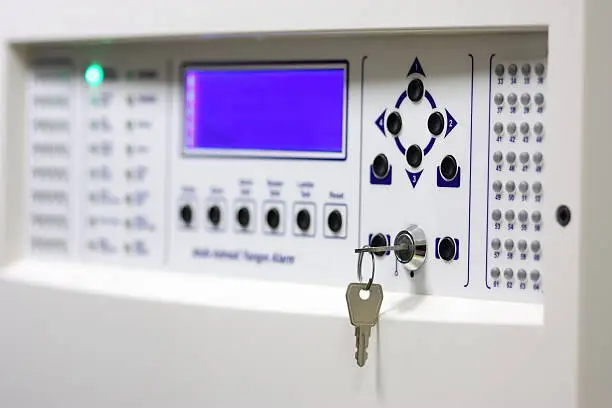
Alarms should be tested to confirm they activate correctly and can be heard throughout the building. Any faults need to be addressed immediately.
Emergency Lighting
In a power failure, emergency lighting helps guide people to exits. Inspections confirm that lights switch on and remain illuminated long enough for safe evacuation.
Fire Doors
Fire doors are designed to contain flames and smoke. They must close properly and remain unobstructed.
Signage
Clear and visible signage helps people find exits quickly. Inspections ensure signs are in place, visible, and undamaged.
Sprinkler and Suppression Systems
These systems need specialist testing to confirm they will activate correctly when needed.
Each of these components plays a role in your overall fire safety strategy. If one fails, it can compromise the effectiveness of the entire system.
How Often Should Fire Equipment Be Inspected?
The frequency of inspections depends on the type of equipment and the nature of your premises. However, general guidelines include:
Visual checks of extinguishers and alarms on a monthly basis
Professional servicing of extinguishers annually
Weekly alarm testing
Regular checks of emergency lighting
Routine inspection of fire doors and escape routes
While some checks can be carried out internally, professional inspections ensure everything meets industry standards and legal requirements.
Common Issues Found During Fire Equipment Inspections
Many businesses assume their fire safety systems are in good condition, only to discover problems during a professional inspection. Some of the most common issues include:
Expired or discharged fire extinguishers
Faulty alarm systems
Blocked fire exits
Missing or damaged signage
Emergency lights that fail to activate
Fire doors that do not close properly
These problems often go unnoticed until an inspection takes place. Addressing them early reduces risk and prevents compliance issues.
The Risks of Skipping Inspections
Skipping regular fire equipment inspection can create serious risks for any organisation. Even if you have equipment in place, it may not perform when needed.
The potential consequences include:
Increased risk to staff and visitors
Greater damage in the event of a fire
Legal penalties for non-compliance
Higher insurance costs
Reputational damage
In some cases, businesses only realise the importance of inspections after an incident occurs. By then, the impact can be significant.
Why Professional Fire Equipment Inspection Matters
While internal checks are useful, professional inspections provide a deeper level of assurance. Trained specialists know exactly what to look for and can identify issues that may not be obvious.
Professional inspection services offer:
Expert knowledge of current regulations
Accurate testing of equipment
Detailed reporting and documentation
Clear recommendations for improvements
Confidence that your premises are fully compliant
This level of support helps remove uncertainty and ensures nothing is overlooked.
Fire Safety Compliance for UK Businesses
For businesses in the UK, fire safety is a legal requirement, not an option. The responsible person must carry out fire risk assessments and ensure all safety measures are maintained.
Regular fire equipment inspection plays a key role in demonstrating compliance. Keeping records of checks and servicing helps show that you are meeting your responsibilities.
Working with a trusted provider ensures inspections are carried out correctly and on schedule, reducing the risk of missed checks.
Choosing the Right Fire Equipment Inspection Provider
Not all inspection services are the same. When choosing a provider, it is important to look for experience, reliability, and a clear understanding of UK regulations.
A good provider will:
Carry out thorough and detailed inspections
Provide clear reports and guidance
Offer practical solutions to any issues found
Help you stay compliant with legal requirements
Support your ongoing fire safety strategy
At Swift Fire & Safety, we take a proactive approach to helping businesses stay protected. Our team works closely with clients to ensure their fire safety equipment is maintained to the highest standard.
Building a Safer Workplace
Fire safety is not just about meeting legal requirements. It is about creating an environment where people feel safe and protected.
Regular fire equipment inspection helps you:
Reduce risks across your premises
Strengthen your emergency response plans
Protect your team and visitors
Maintain business continuity
Show your commitment to safety
It is a simple step that can have a huge impact.
How Swift Fire & Safety Can Help
At Swift Fire & Safety, we support businesses across the UK with professional fire equipment inspection services designed to keep you protected. We understand that managing fire safety can feel overwhelming, especially when you are focused on running your business.
Our experienced team carries out thorough inspections, identifies potential risks, and ensures your equipment is fully operational. We provide clear documentation and practical advice, helping you stay on top of your legal responsibilities without added stress.
Whether you operate a small office, a retail space, or a large commercial facility, we tailor our approach to suit your needs.
Take the Next Step Towards Better Fire Safety
Fire equipment inspection is one of the most important steps you can take to protect your business, your team, and your property. Regular checks help ensure everything is ready to perform when it matters most, giving you confidence and peace of mind.
If you want to strengthen your fire safety strategy and make sure your equipment meets all UK compliance standards, Swift Fire & Safety is here to help. Our professional inspection services are designed to keep your premises safe, compliant, and prepared.
Get in touch with Swift Fire & Safety today to learn more about our fire equipment inspection services and discover how we can support your business with reliable, expert protection.


